

Traditional Use & Responsible Guidance
Traditional Use & Responsible Guidance
Product information is provided for educational and culinary purposes. Traditional use does not establish medical effectiveness. These products are not intended to diagnose, treat, cure, or prevent disease. Review ingredients and product-specific cautions; consult a qualified professional if pregnant, nursing, taking medication, managing a condition, or unsure whether a product is appropriate.
NutriBotanix
After We Feast Tea
After We Feast Tea
Couldn't load pickup availability
A Traditional Post-Meal Botanical Blend
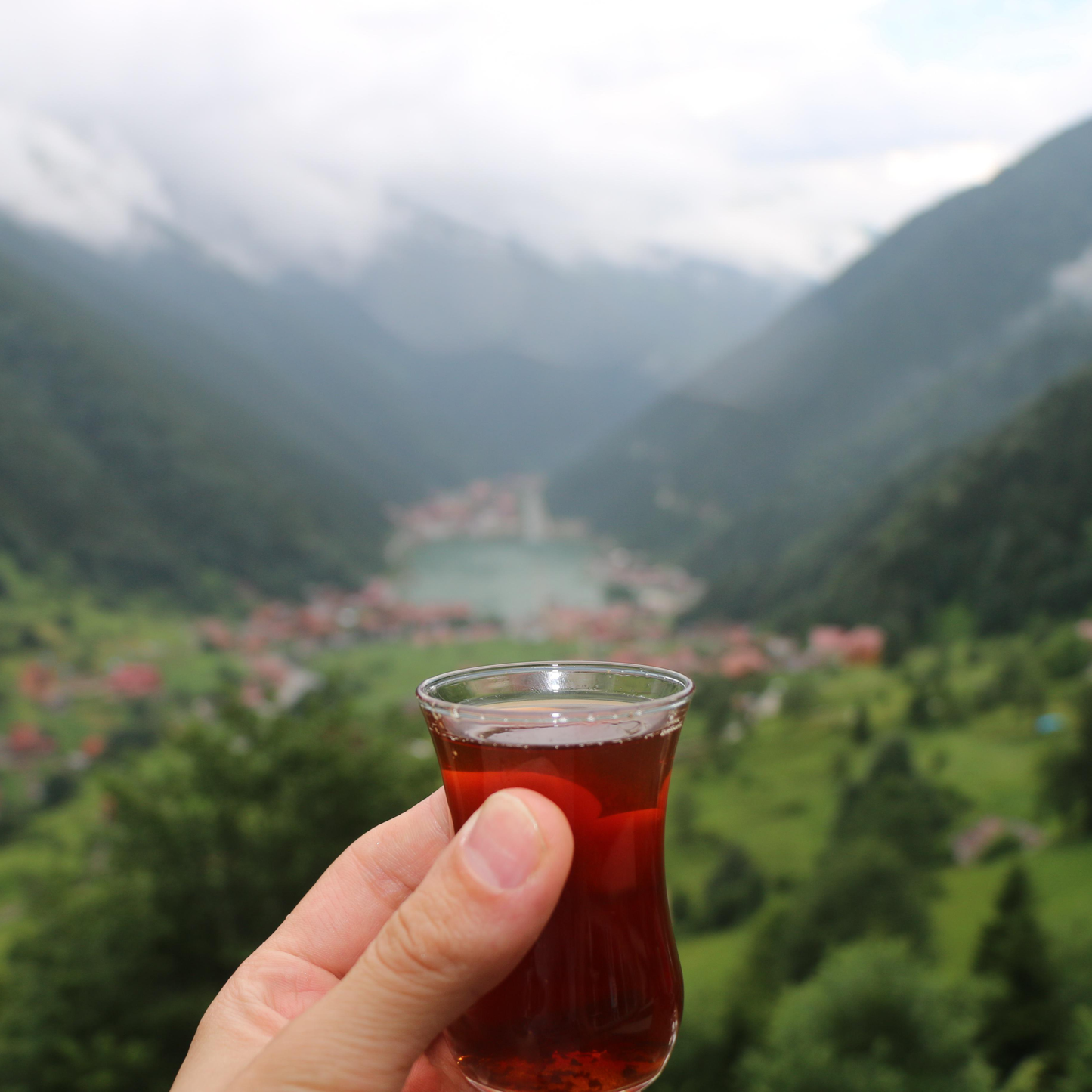
Across South Asia, the Middle East, and much of the world, tea after a meal is not an afterthought — it is part of the meal. A moment to slow down, to linger at the table, to let the warmth of a well-spiced cup close out the experience of eating.
After We Feast Tea is built for that moment. Eight botanicals — culinary spices, aromatic herbs, florals, and tea leaf — come together in a blend rooted in South Asian and Ayurvedic botanical tradition. It brews into a cup that is warm, layered, lightly spiced, and gently floral.
Caffeine notice: This blend contains green tea and is not caffeine-free. If you prefer a lower-caffeine botanical blend, see our Quiet Time Tea.
The Ingredients
Ginger Root — One of the most widely used botanicals across South Asian, Chinese, and Ayurvedic traditions. Dried ginger contributes a sharp, warming spice that forms the backbone of this blend. It has been cultivated and used in Indian cooking and botanical practice for thousands of years.
Ajwain (Carom Seed) — A small seed native to South Asia with a bold, assertive flavor — often described as somewhere between thyme, anise, and cumin. Ajwain is a staple of Indian and Pakistani cooking, particularly in breads, lentil preparations, and spiced rice dishes. In botanical tradition, it has been part of Ayurvedic practice for centuries. Its flavor is assertive in small quantities; in this blend, it adds depth and an unmistakably South Asian character.
Spearmint / Mint — Mint is one of the most universally recognized herbal ingredients in the world, used in teas, culinary preparations, and botanical traditions across South Asia, North Africa, and the Middle East. In Moroccan culture, mint tea after a meal is a near-universal ritual. Here, it adds brightness and a clean, cooling note that balances the warmth of ginger and ajwain.
Fennel Seed — Fennel seed is a common post-meal botanical across Indian culture — small dishes of fennel and sugar are a fixture at the end of meals in restaurants across the subcontinent. It contributes a mild, anise-like sweetness and rounds out the spicier notes in the blend.
Bay Leaf — Bay leaf is a culinary classic across South Asian, Mediterranean, and Caribbean cooking, prized for its quiet, complex aromatic presence. In this blend, it provides a subtle, slightly herbal depth that ties the spice notes together without drawing attention to itself.
Rose Petals — Dried rose petals have a long history in Indian, Persian, and Moroccan botanical and culinary traditions — used in teas, confections, ceremonial preparations, and perfumery. In this blend, they contribute a delicate floral note that softens the spice-forward character and adds an element of elegance.
Green Tea — The Camellia sinensis base of this blend. Green tea provides light structure, a clean vegetal note, and naturally occurring caffeine. It has been cultivated and used as a tea ingredient across East and South Asia for thousands of years.
Senna — A botanical leaf that has been part of Ayurvedic and Unani herbal traditions for generations and is included here as one component of this traditional botanical blend.
About This Blend
After We Feast Tea was formulated by an Ayurvedic tea practitioner in India. The ingredient selection reflects traditional post-meal tea practices across South Asian botanical culture — drawing on culinary spices familiar from Indian cooking, aromatic florals from the Persian and Mughal tradition, and botanical ingredients with long histories in Ayurvedic and Unani practice.
NutriBotanix sources ingredients from suppliers that provide documentation and quality standards appropriate for botanical ingredients.
Brewing Instructions
- Amount: 1 teaspoon per 8 oz of water
- Water temperature: 195–205°F (90–96°C)
- Steep time: 3–4 minutes
- Vessel: Infuser basket, tea strainer, or French press
- Serve: Plain, or with a small amount of honey
Traditionally sipped warm, after a meal.
Honey Pairings
The warmth of ginger and ajwain pairs well with mild, lightly sweet honeys. We recommend:
- Orange Blossom Honey — Light and floral, complements the rose petals and mint
- Sourwood Honey — Buttery and mild, a gentle pairing for the spice-forward character of this blend
Brewing Tools
The right tools make loose leaf tea simple.
- Unbleached Disposable Tea Bags — Single-use, unbleached, chlorine-free. Fill, steep, discard. No strainer required.
- Heart-Shaped Tea Infuser — Reusable stainless-steel infuser for everyday loose-leaf brewing. Fits standard mugs and teacups.
Explore More South Asian Teas
- Kashmiri Kahwa Tea — A traditional Kashmiri spiced green tea with cardamom, rose petals, and almond
- Masala Tea Leaves — Classic Indian chai spices with a black tea base
Frequently Asked Questions
Does this tea contain caffeine?
Yes. This blend contains green tea, which is naturally caffeinated. This is not a caffeine-free product. If you prefer a lower-caffeine botanical blend, see our Quiet Time Tea.
What does it taste like?
Warm and layered. Ginger and ajwain lead with spice. Fennel and mint add a softer, slightly sweet counterpoint. Rose petals give it a floral lift. The green tea base keeps it clean and light.
When do people typically drink this?
After meals — it's a post-meal tea tradition rooted in South Asian and Ayurvedic culture. That said, it can be enjoyed any time.
How much should I use per cup?
1 teaspoon per 8 oz is a good starting point. Adjust to taste.
Is this blend organic?
Ingredients are sourced from suppliers with appropriate documentation. Individual ingredient certifications vary. Contact us for specific sourcing information.
As with all botanical blends, individuals with health conditions, those who are pregnant or nursing, or those taking medications should consult a healthcare provider before use.
† These statements have not been evaluated by the Food and Drug Administration. This product is not intended to diagnose, treat, cure, or prevent any disease.
Share