

Traditional Use & Responsible Guidance
Traditional Use & Responsible Guidance
Product information is provided for educational and culinary purposes. Traditional use does not establish medical effectiveness. These products are not intended to diagnose, treat, cure, or prevent disease. Review ingredients and product-specific cautions; consult a qualified professional if pregnant, nursing, taking medication, managing a condition, or unsure whether a product is appropriate.
NutriBotanix
Stay fit tea
Stay fit tea
Couldn't load pickup availability
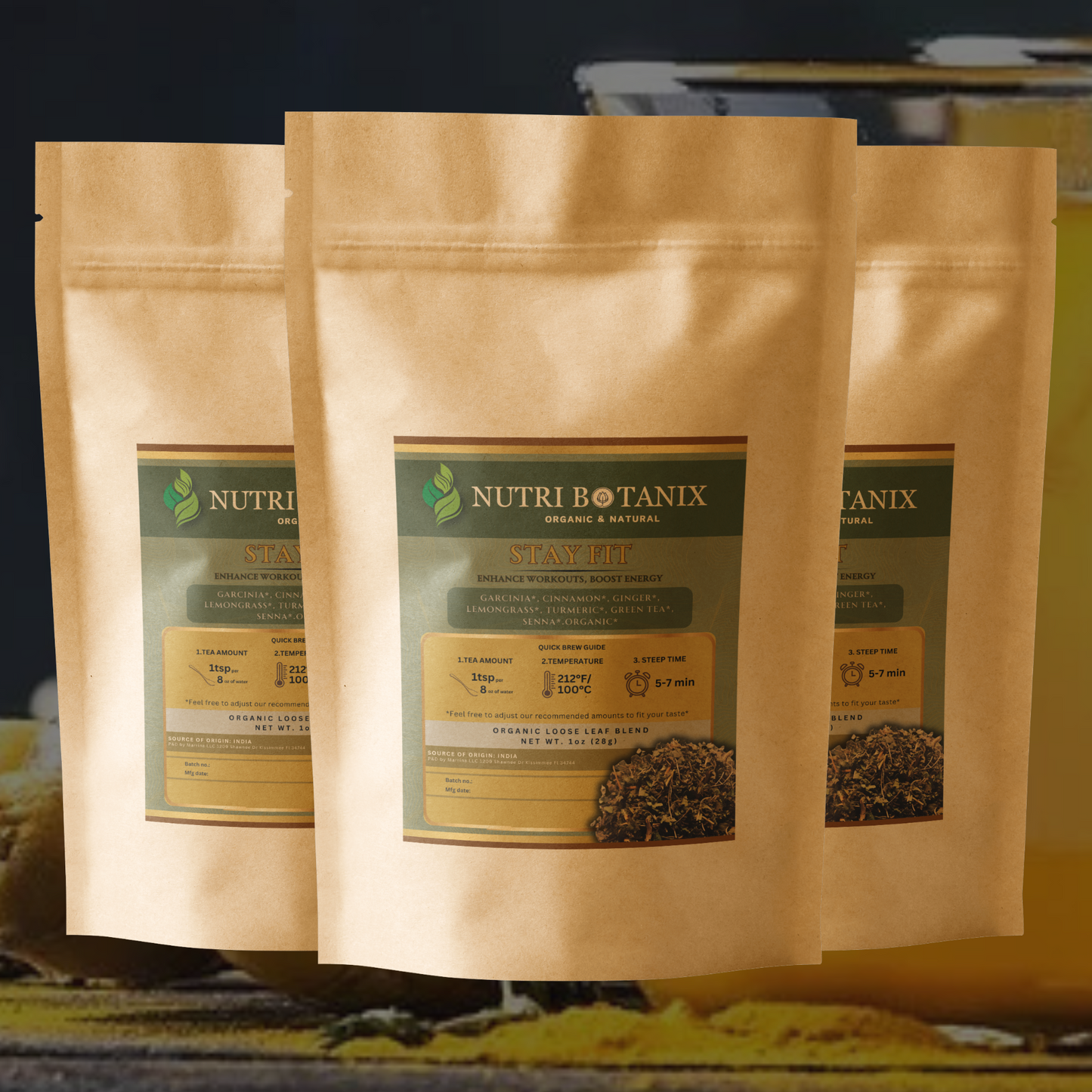
Stay Fit Tea is a loose leaf botanical blend drawing from South and Southeast Asian culinary and Ayurvedic traditions. Garcinia — the souring fruit of the Malabar coast — anchors the formula alongside Senna, Turmeric, Ginger, Lemongrass, and Cinnamon, all carried on a base of green tea. Each ingredient has a documented history in South Asian botanical and culinary practice. This is a complex, spice-forward cup with deep regional roots.
Contains green tea and naturally occurring caffeine.
Note on Senna: This blend contains Senna leaf, a potent botanical with a long history in Ayurvedic and Unani traditions. Senna is not appropriate for everyone. Do not use this tea if you are pregnant, nursing, or have a gastrointestinal condition. Do not use daily or long-term without guidance from a qualified healthcare provider. Consult a healthcare professional before use.
The Botanicals
Garcinia (Garcinia cambogia)
Garcinia cambogia — also known as the Malabar tamarind — is a tropical fruit tree native to the Western Ghats of South India and distributed across South and Southeast Asia. The dried rind of the fruit has been used as a culinary souring agent across Kerala, Sri Lanka, Thailand, and other parts of the region for centuries — appearing in fish curries, chutneys, and traditional preparations where a sour, tart note is desired. In Ayurvedic botanical tradition it is known as Vrikshamla, a Sanskrit name meaning "tree-sourness," and has been part of Ayurvedic compound preparations for generations. In this blend, Garcinia contributes a characteristic fruity tartness that distinguishes the cup from other spice-forward teas in the NutriBotanix catalog.
Senna Leaf (Senna alexandrina)
Senna is a flowering shrub native to North Africa and the Arabian Peninsula, distributed widely across tropical and subtropical regions. Its leaves have been part of Ayurvedic and Unani herbal traditions for generations — documented in classical texts and used in traditional compound preparations across South Asia, the Arab world, and North Africa. Senna is included here as one component of this traditional multi-botanical blend, consistent with its documented role in classical Ayurvedic and Unani formulation practice. It contributes a mild, slightly bitter character to the blend.
Turmeric (Curcuma longa)
Turmeric is one of the most culturally significant plants in South and Southeast Asian history — a rhizome used in cooking, ceremony, and Ayurvedic botanical practice for over four thousand years. Native to the Indian subcontinent, it appears in Ayurvedic texts under the name Haridra and has been traded along ancient spice routes connecting India to the Middle East, East Africa, and Southeast Asia. In this blend, turmeric contributes its characteristic warm, slightly peppery depth and golden color.
Ginger (Zingiber officinale)
Ginger is one of the most globally distributed culinary botanicals in history — native to Southeast Asia and traded across ancient spice routes into South Asia, the Arab world, East Africa, and eventually Europe and the Americas. In Ayurvedic tradition, dried ginger (Sunthi) appears in a vast range of classical compound formulas. In this blend, ginger provides warm, lightly spicy backbone that integrates the sourness of Garcinia with the earthy depth of Turmeric and Senna.
Lemongrass (Cymbopogon citratus)
Lemongrass is a tall aromatic grass native to South and Southeast Asia, cultivated for centuries across Thai, Vietnamese, Indian, Sri Lankan, and West African culinary traditions. Its bright, citrus-forward, slightly ginger-like aroma is one of the most distinctive in the herbal tea world. In this blend, lemongrass lifts the heavier spice notes and gives the cup its bright aromatic character alongside the tartness of Garcinia.
Cinnamon (Cinnamomum verum)
True cinnamon — Cinnamomum verum, sometimes called Ceylon cinnamon — has been one of the most prized spice trade commodities in history, originating in Sri Lanka and traveling ancient trade routes into the Arab world, Egypt, and eventually Europe. In South Asian culinary and botanical tradition, cinnamon is a warming spice used across a wide range of preparations. In this blend, it adds aromatic sweetness and gentle warmth that rounds out the spice profile.
Green Tea (Camellia sinensis)
Green tea provides the botanical base of this blend — light, clean, and grassy, it carries the other ingredients without competing with them. Camellia sinensis has been cultivated for tea across China, Japan, India, and East Africa for millennia. It contains naturally occurring caffeine.
About This Blend
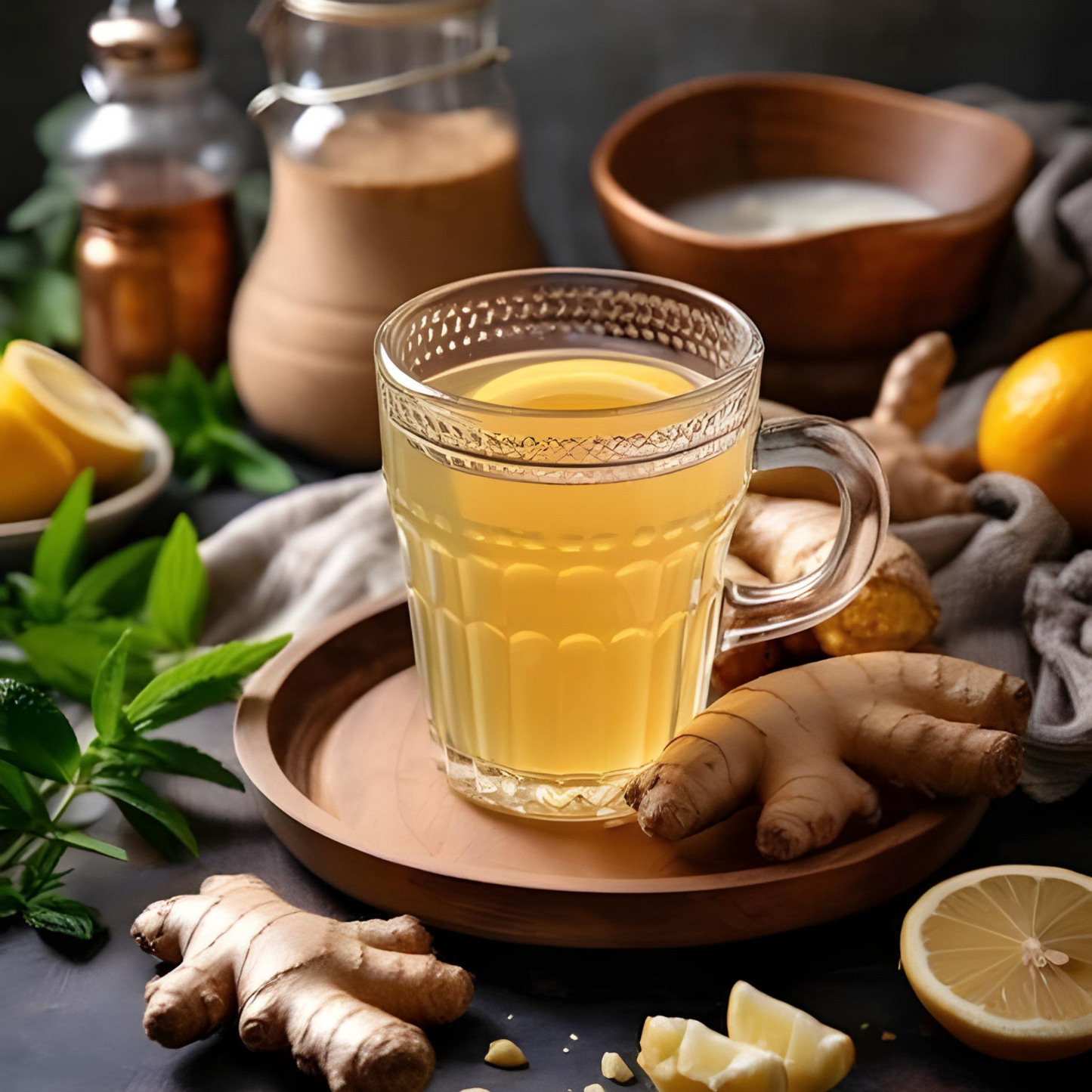
Stay Fit Tea brings together seven botanicals from South Asian, Southeast Asian, and North African culinary and Ayurvedic traditions. The flavor profile is complex and distinctive: Garcinia's fruity tartness and lemongrass's citrus brightness define the top of the cup; ginger and cinnamon provide warm spice depth through the middle; turmeric adds its characteristic earthy warmth; and the green tea base provides a clean, grassy finish. Senna contributes a mild bitterness in the background. It brews to a warm golden amber with a bright, tart, spice-forward aroma. This is one of the most regionally distinctive blends in the NutriBotanix catalog — a cup shaped by the culinary traditions of the Malabar coast.
Brewing Instructions
- Amount: 1 teaspoon per 8 oz of water
- Water temperature: 175–185°F (well below boiling)
- Steep time: 3–4 minutes
- Vessel: Infuser basket, muslin bag, or French press
Keep steeping time to 3–4 minutes. The Senna leaf becomes more pronounced with longer steeps — do not exceed 5 minutes. Do not re-steep this blend. Best enjoyed once per day and not as a daily long-term practice without healthcare provider guidance.
Honey Pairings
This blend pairs well with pure varietal honeys that complement its bright, tart, spice-forward character.
Orange Blossom Honey — Harvested from the blossoms of citrus groves, Orange Blossom Honey has a light floral character with a mild citrus undertone. It pairs naturally with the lemongrass brightness and Garcinia tartness in this blend, adding a clean, aromatic sweetness that lifts the cup without masking the spice depth.
Sourwood Honey — Sourwood is a light, delicate honey with a distinctive caramel-like sweetness and subtle anise finish, harvested from the blossoms of the sourwood tree (Oxydendrum arboreum) in the Appalachian highlands. Its clean sweetness integrates with the ginger and cinnamon warmth in this blend, adding depth without competing with the Garcinia tartness.
Brewing Tools
The right tools make loose leaf tea simple.
- Unbleached Disposable Tea Bags — Single-use, unbleached, chlorine-free. Fill, steep, discard. No strainer required.
- Heart-Shaped Tea Infuser — Reusable stainless-steel infuser for everyday loose-leaf brewing. Fits standard mugs and teacups.
Related Products
- After We Feast Tea — A traditional post-meal botanical blend featuring Senna alongside Ajwain, Fennel, Ginger, Bay Leaf, Rose Petals, and Mint.
- Sluggishness Crusher Tea — A cross-cultural botanical blend drawing from Ayurvedic, European, and traditional food traditions.
- In Motion Tea — A classical East-meets-South Asian botanical blend featuring Arjuna, Giloy, Brahmi, Ginkgo, and Schisandra on a green tea base.
Frequently Asked Questions
What is Garcinia, and what does it taste like in this blend?
Garcinia cambogia — also called Malabar tamarind — is a tropical fruit tree native to South India whose dried rind has been used as a culinary souring agent in Kerala and Sri Lanka for centuries. It contributes a distinctive fruity tartness to this blend — the most immediately recognizable flavor note and what makes Stay Fit Tea distinct from other spice-forward teas in the catalog.
What is Senna, and why is it in this tea?
Senna (Senna alexandrina) is a botanical leaf that has been part of Ayurvedic and Unani herbal traditions for generations and is included here as one component of this traditional botanical blend. It has a long documented history in classical South Asian and Arab botanical practice. It contributes a mild bitterness to the cup. Senna is a potent botanical — see the note at the top of this page and consult a healthcare provider before use.
How often can I drink this tea?
This tea contains Senna leaf, which is a potent botanical not intended for daily long-term use without professional guidance. We recommend no more than one cup per day and consulting a qualified healthcare provider if you plan to use it regularly.
Does this tea contain caffeine?
Yes. This blend contains green tea, which contributes naturally occurring caffeine.
Who should avoid this tea?
Do not use if you are pregnant, nursing, or have a gastrointestinal condition including irritable bowel syndrome, Crohn's disease, or intestinal obstruction. Do not use long-term without guidance from a qualified healthcare provider. If you are taking any medications, consult your healthcare provider before use.
How much tea do I use per cup?
1 teaspoon per 8 oz of water, at 175–185°F, for 3–4 minutes. Do not exceed 5 minutes steep time.
The botanical and cultural information provided on this page is for educational purposes only. For personalized guidance on any botanical ingredient, consult a qualified Ayurvedic practitioner or licensed healthcare provider.
These statements have not been evaluated by the Food and Drug Administration. This product is not intended to diagnose, treat, cure, or prevent any disease.
Share