

Traditional Use & Responsible Guidance
Traditional Use & Responsible Guidance
Product information is provided for educational and culinary purposes. Traditional use does not establish medical effectiveness. These products are not intended to diagnose, treat, cure, or prevent disease. Review ingredients and product-specific cautions; consult a qualified professional if pregnant, nursing, taking medication, managing a condition, or unsure whether a product is appropriate.
NutriBotanix
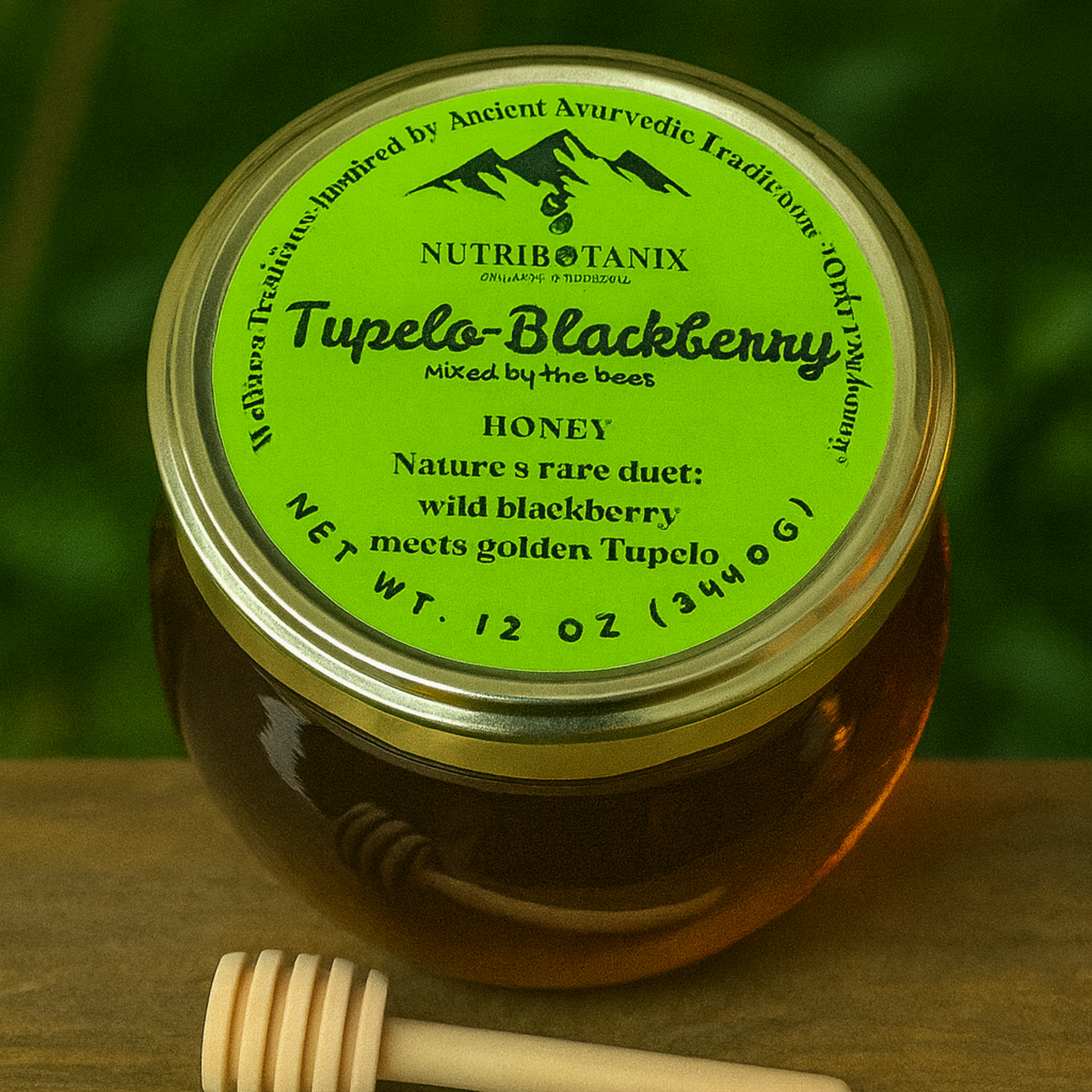
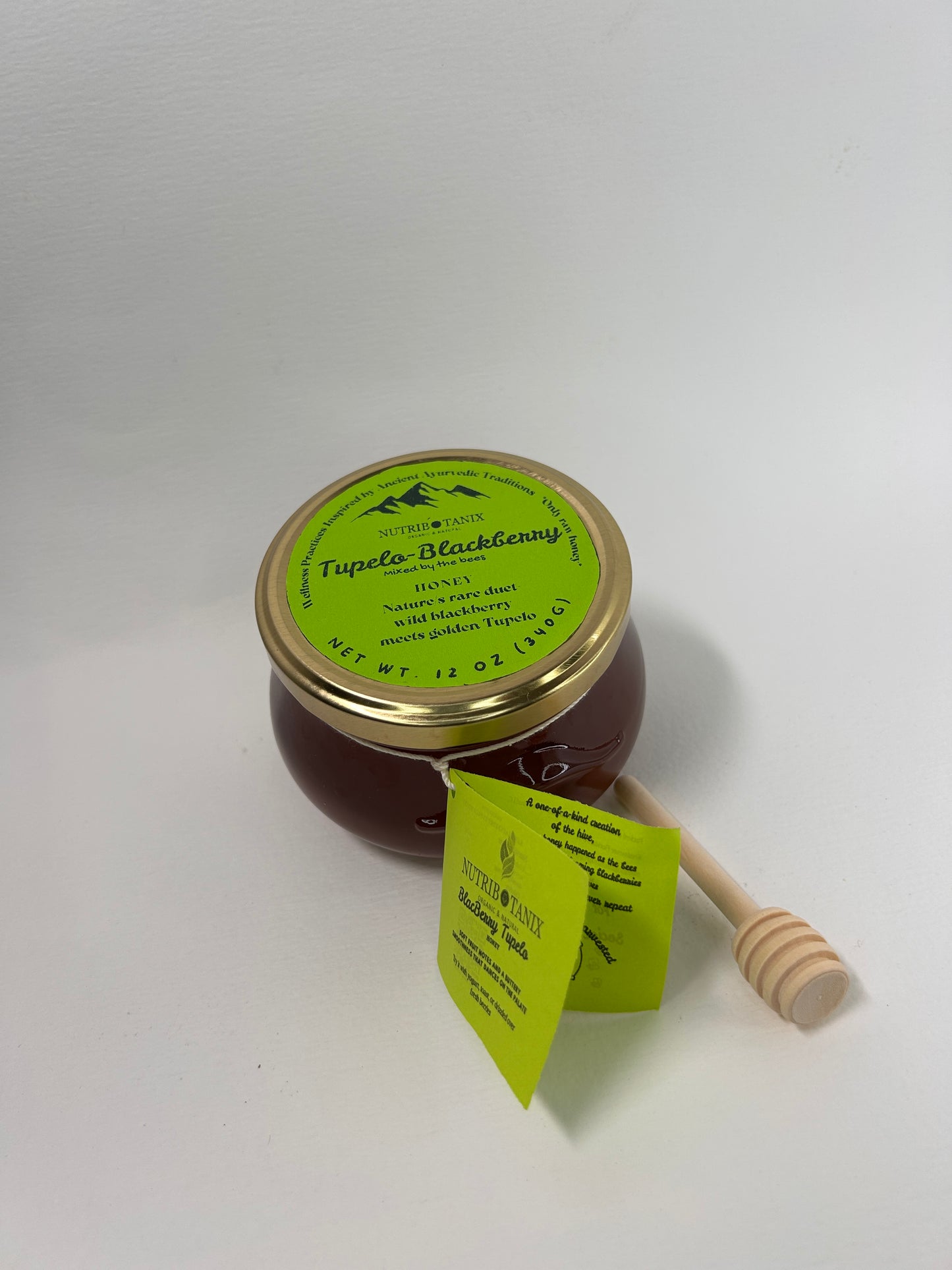
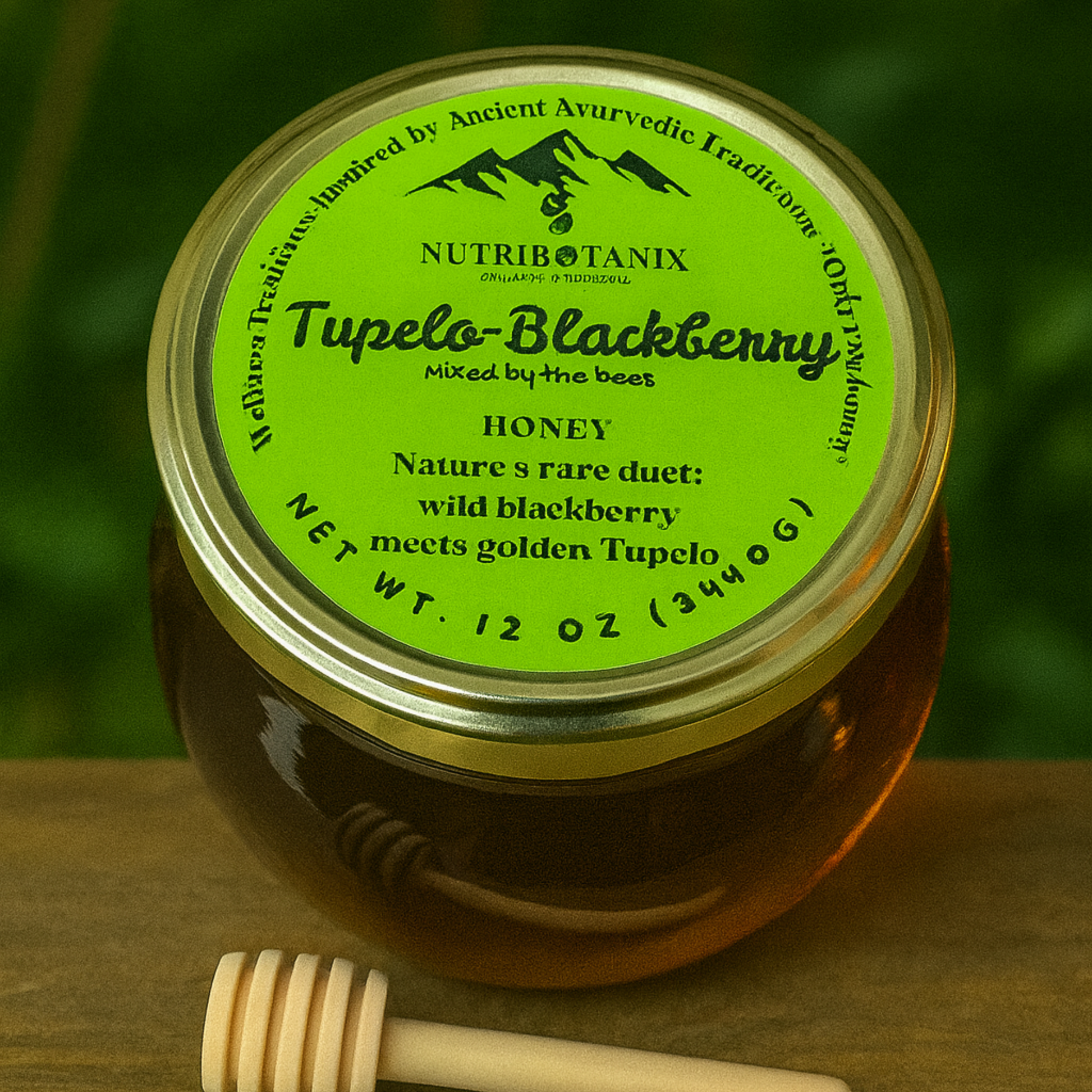
Tupelo-Blackberry Honey
Tupelo-Blackberry Honey
Couldn't load pickup availability
Tupelo-Blackberry Honey
This honey exists because of a decision the bees made.
The hives were set near Tupelo trees — that was the plan. A few days into the season, the beekeeper noticed something unexpected: the bees were crossing a small body of water. He followed them. They were landing on wild blackberry blossoms on the other side.
Nobody placed the hives near blackberries. Nobody arranged the bloom timing. The Tupelo and blackberry happened to flower at the same time, close enough to each other that the bees moved freely between both sources. The honey they produced contains nectar from both.
That overlap — two plants, one water crossing, one season — is what this jar holds.
The floral sources
Tupelo honey comes from trees in the Nyssa genus that grow along the edges of Florida's swamps, river floodplains, and wetland margins. The white Tupelo is the variety most associated with Florida's honey tradition — a tree that blooms for a short window in spring, producing nectar with a notably high fructose content. Honey produced from Tupelo nectar is known for staying liquid longer than most raw honeys, for its smooth and almost buttery character, and for a clean sweetness without the sharp edges found in higher-glucose varietals.
The wild blackberry blossoms in this harvest came from plants growing across the water from the hives — not cultivated, not planted for honey production. Wild blackberry flowers in late winter through early spring in Florida's wetland edges and open areas. The nectar is floral and lightly fruity, contributing a different register entirely from the Tupelo.
The bees blended these two sources on their own. The result is a honey that carries both — the body and smoothness of Tupelo underneath, with a floral, berry-adjacent note that doesn't belong to either source alone.
The place
This honey comes from a small beekeeper working near Florida's wetland interior — swamp-adjacent terrain where Tupelo trees grow naturally along the water's edge. The surrounding landscape includes palmetto scrub, open water, and the kind of dense mixed vegetation that characterizes Central and South Florida's less-developed interior. These are not commercial apiaries. The hives are small in number, positioned to follow specific bloom windows rather than to maximize volume.
The body of water the bees crossed matters as part of the story — not as geography for its own sake, but because it represents the accidental condition that made this honey possible. The blackberry blossoms were close enough to reach, separated only by water. In a slightly different season, or with hives positioned differently, the bees might not have crossed at all.
The beekeeper
This honey was sourced directly through what might be called the backroad method — visiting small towns, local markets, and producers who keep a few hives for themselves and sell whatever remains after their own use. These are not catalog suppliers. There are no standard order quantities, no guaranteed restock, and no wholesale relationship. The beekeeper who produced this batch had his hives positioned for Tupelo. The blackberry foraging was something he observed, not something he engineered.
He shared what he had. This is what was available.
Why this batch is unusual
The conditions that produced this honey involved several variables that would each need to align again for the same result: the Tupelo bloom and the blackberry bloom overlapping in timing, the proximity of both plants to the hive site, the bees choosing to cross the water rather than remain on the Tupelo, and the batch being harvested separately rather than blended into a larger, undifferentiated lot.
Any one of those variables could be different next season. The bloom timing could shift. The blackberries may not flower at the same time. The bees may not cross. The beekeeper may not have excess to sell. This is not a cultivated product with a supply chain behind it. It is a record of one particular season, one particular set of choices made by bees working a specific piece of Florida wetland.
This is the last of this batch.
Color & appearance
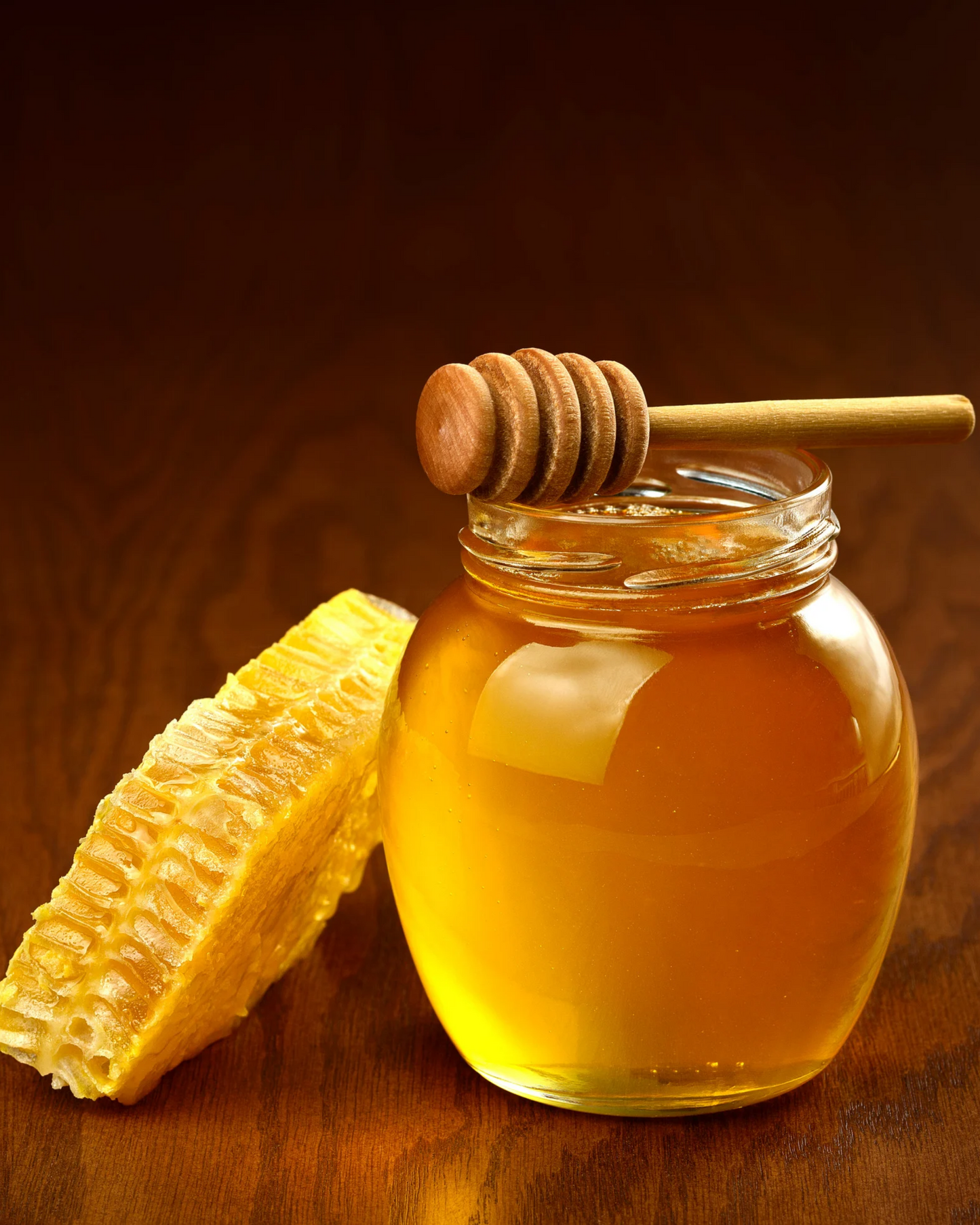
Pale amber to light gold — lighter than many wildflower honeys, reflecting the high proportion of Tupelo nectar. There may be subtle visual variation between jars depending on the ratio of Tupelo to blackberry nectar captured in any given frame. The honey is clear and smooth at harvest. Over an extended period, very slight color deepening may occur as the honey ages.
Flavor notes
The Tupelo character dominates the base: smooth, clean, and buttery with a sweetness that is rounded rather than sharp. On top of that foundation, the blackberry blossom nectar introduces a floral lift — not the flavor of ripe blackberry fruit, but something lighter and more delicate, closer to the scent of the flower itself. The two notes don't compete; they occupy different parts of the palate. The finish is clean and moderately long, with the floral quality trailing slightly behind the Tupelo sweetness.
This is not a honey that announces itself loudly. Its complexity is subtle and becomes more apparent when tasted slowly or alongside food rather than on its own.
Texture & crystallization
Tupelo honey is known for its resistance to crystallization — a consequence of its high fructose-to-glucose ratio. Fructose remains liquid at room temperature far longer than glucose, which is why Tupelo-dominant honeys can stay pourable for months or years after harvest when stored properly. This batch inherits that quality from its Tupelo foundation. It pours smoothly and holds its texture well over time.
If crystallization does eventually occur, it will likely be fine-grained and gradual rather than sudden or coarse. To return crystallized honey to a pourable state, place the open jar in warm (not hot) water and stir gently. Avoid microwaving.
Culinary uses
Tupelo-Blackberry honey's layered character — smooth and buttery at the base, lightly floral at the top — makes it suited to applications where the honey is a featured element rather than background sweetness. Its resistance to crystallization makes it reliable across seasons without texture changes.
- Drizzle over soft, mild cheeses — ricotta, fresh mozzarella, burrata — where the floral note can be tasted clearly
- Serve alongside a charcuterie board with cured meats and stone fruit
- Use as a finishing drizzle over roasted duck, pork tenderloin, or lamb
- Stir into warm brie or camembert as a simple dessert
- Use as a glaze on grilled stone fruit — peaches, plums, nectarines
- Stir into plain yogurt or labneh where the floral-fruit note comes forward
- Use as a sweetener in fruit-forward cocktails — a complementary element in a blackberry smash or a sparkling honey lemonade
Tea pairings
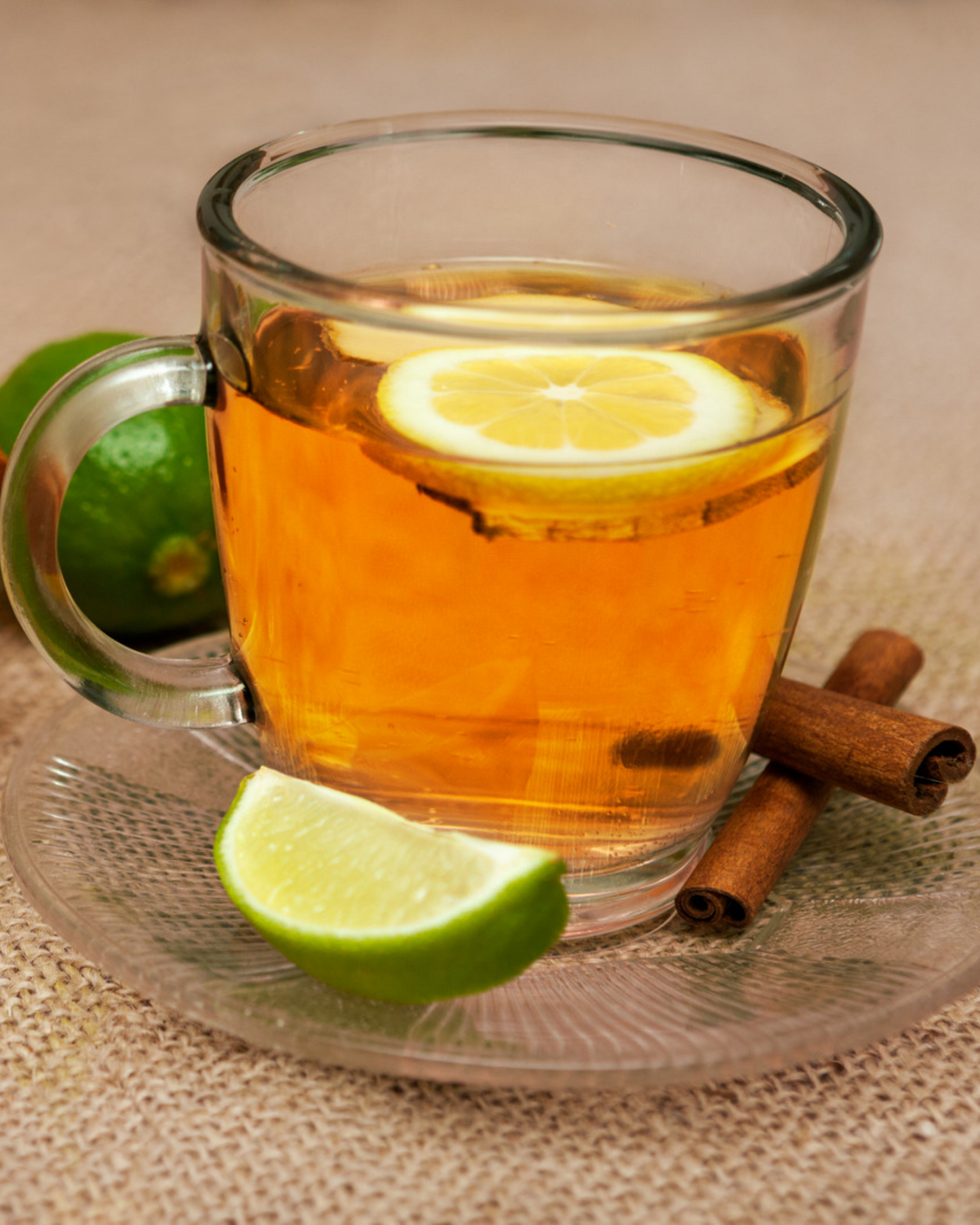
The Tupelo-Blackberry's dual character — buttery base with a floral, lightly fruity note — pairs well with teas that have either some body to support the Tupelo weight or enough delicacy to let the blackberry note come forward. Among the NutriBotanix catalog, it pairs naturally with Quiet Time Tea, where the chamomile and lavender register complements the honey's floral side without competing with it. Healthy Glow Tea, with its jasmine and rose notes, also sits well alongside the blackberry blossom character. For a warmer, fuller pairing, Kashmiri Kahwa provides enough spice and body to hold alongside the Tupelo foundation.
Frequently asked questions
Why is this honey different from pure Tupelo honey?
Pure Tupelo honey is sourced exclusively from Tupelo blossoms, producing a single-origin varietal with a clean, buttery profile. This batch contains nectar from both Tupelo and wild blackberry blossoms, foraged by the same bees during the same season. The blackberry nectar introduces a floral layer that pure Tupelo does not have. It is neither a Tupelo honey nor a blackberry honey — it is the result of both being foraged together.
Why does it stay liquid so long?
Tupelo nectar is naturally high in fructose relative to glucose. Fructose is hygroscopic and stays liquid at room temperature far longer than glucose, which tends to form crystals relatively quickly. Because this honey's base is Tupelo, it inherits that resistance to crystallization. Proper storage at room temperature away from heat and sunlight extends this further.
Can this exact batch be reproduced?
No. The conditions that produced it — the bloom timing overlap between Tupelo and wild blackberry, the bees crossing the water independently, the proximity of both plants to the hive site — would each need to align again in the same way. Bloom timing shifts from season to season. The bees' foraging decisions are not controllable. This batch was harvested and sold as a distinct lot because the beekeeper recognized it as something separate. It is the last of it.
Why is this considered a provenance honey?
Because the story of the honey is inseparable from where it came from. The floral sources, the wetland landscape, the beekeeper's observations, the bloom timing, and the bees' foraging behavior all contributed directly to the final product. The honey reflects a specific place and season rather than a repeatable formula.
Is this honey raw?
Yes. This honey is raw and unfiltered. It has not been heated or processed in ways that would alter its natural enzyme content, pollen profile, or flavor. Minor variation between jars is normal and expected in small-batch raw honey.
How should I store it?
At room temperature, away from direct sunlight and heat sources. Refrigeration is unnecessary and may eventually accelerate crystallization. Raw honey does not spoil.
A note on raw honey
All NutriBotanix honeys are raw and minimally processed. Raw honey has not been pasteurized or micro-filtered. It may contain naturally occurring pollen, propolis traces, and small air bubbles. These are normal characteristics of unprocessed honey, not defects. Because raw honey may contain naturally occurring spores, it is not recommended for children under 12 months of age.
Sourcing & traceability
This is a limited Florida wetland harvest sourced directly from a small beekeeper whose hives were positioned for Tupelo bloom. The wild blackberry contribution was observed during the same foraging window and was not engineered as a repeatable blend. Natural variation between jars is expected. Explore the Honey Learning Center for more about raw honey, seasonal harvests, and provenance.
Continue your honey journey
Discover other limited harvests in Rare & Seasonal Honey, compare floral sources in the Honey Varietal Guide, or return to a gentler everyday profile with Blueberry Honey.
Education note: Origin, flavor, culinary use, and traditional honey information are provided for education and do not diagnose, treat, cure, prevent disease, or replace professional medical advice.
Share